Wednesday, May 2, 2012

2013 Buick Verano

A newly developed fiber-polymer based material that feels like hard carpeting lines the wheel wells. Not to worry, it won’t absorb water, but it does a good job of soaking up sounds from the tires and suspension.

2012 Buick Verano green

To further improve noise levels in the cabin, Buick engineers cranked up the creativity by using recycled denim. It’s washed, cut and placed under the rear seats to again suppress road noise.

SMART OUTSIDE, LESS INTELLIGENT INSIDE

2012 Buick Verano Red back

Carrying the conservative styling you would expect from a Buick, the Verano sports signature features like the brand’s waterfall grille and blue bezels around the headlights. It’s a clean design with a few extra touches of style thrown in to class-up its look. Handsome, yes, but it won’t draw a crowd.

Unfortunately the interior is totally underwhelming. Even at the highest price point ($25,965 before destination) fully adjustable power seats are simply unavailable. The seat cushion slides forward and backward and tilts electrically, but the backrest does not. In fact, adjusting the backrest angle involves fiddling with a poorly placed lever. There’s also no memory function.

It’s also hard to see out of the Verano’s rear, an issue that’s further compounded by the lack of a backup camera. It seems strange that this car would forego such a feature given that the majority of Buick buyers are well on in years.

2012 Buick Verano center console

A thick C-pillar and small window left us wanting more out of a car that claims luxury status. That said, our car did have rear parking assistance, which is available on all models but the base trim.

Thankfully, the steering wheel both tilts and telescopes, even if the lever for this feature almost never wanted to lock back in place smoothly.

What our top-spec model did have was a smart key that unlocks the door when you touch the handle. Get in, press the brake pedal and hit the “Engine Start” button to fire it up. Simple yes, but locating the start button proved to be pesky. It wasn’t where you’d normally expect, and it doesn’t stand out either. Instead it sits above the stereo and looks just like any other button around it — odd.

Leather seats aren’t standard, but are an available option for an extra $2,180.

For a compact, the Verano has a spacious interior, but it still isn’t big enough to fit five adults comfortably. The trunk offers 14-cubic feet, which is as much as most mid-size sedans. Unfortunately the old style C-hinges can get in the way of your cargo.

MODESTLY POWERFUL, REASONABLY EFFICIENT

2012 Buick Verano Red engine

Buick’s engineers do, however, deserve credit for the Verano’s powertrain. Currently the only engine available with the Verano is a 2.4-liter four-cylinder engine that produces 180 hp and 171 lb-ft of torque.

It’s mated to a smooth shifting six-speed automatic gearbox, which transfers power to the front wheels. Unlike past Buick it doesn’t have a big engine, but it is still smooth and revs up to speed pleasantly. Few drivers will complain about a lack of grunt, but to please those who do, Buick will offer a 2.0-liter, turbocharged motor next year.

For now the current powertrain offers decent pace with solid fuel economy. The Verano is rated at 21 mpg in the city and 32 mpg on the highway. Those numbers aren’t bad, but they also don’t stack up to it’s the competing Acura ILX which gets 24/35 mpg city/highway.

Given the dampened ride and reasonable fuel economy the Verano is well suited for highway cruising, but what about city driving? Thankfully the ride on uneven and broken city streets is very good but a 36-foot turning radius makes parking in tight spaces difficult. We were surprised to find areas that would normally take a single maneuver requiring extra adjustment.

2012 Buick Verano Red parked

As for handling, the Verano is easily one of the best handling Buick’s we have come across – not that there’s much competition within its ranks. You’re not going to feel like taking on the switchbacks, but if you encounter any bends, the car feels competent with reasonably responsive steering.

Standard safety features include 10 airbags, traction control, anti-lock brakes, and six months of OnStar.

THE VERDICT

Branded as a premium model, it also makes for an excellent and highly polished family car. Perhaps its best feature yet is the $22,585 starting price. The mid-level “Convenience Group: package adds $1,200 to the base price, while the top-end “Leather Group” costs $2,180. Considering the Acura ILX starts at $25,900 the Verano is more of a value proposition.

2012 Buick Verano wow

Designed in the hopes of attracting younger buyers to the brand, the Verano is Buick-enough to please loyalists, though it might still feel a little too mature for the Gen Y crowd to get on board.

A smart family sedan alternative for those who don’t need or want a mid-size car, the compact Verano works best for those looking to downsize their current Buick without compromising most of what the brand stands for.

2013 Ford Escape

If it ain’t broke, replace it. That, at least, seems to be the motto at Ford when it comes to the brand’s Escape compact crossover.

FAST FACTS

1. Three engines are on offer: a 168 hp 2.5L, a 178 hp 1.6L EcoBoost and a 240 hp 2.0L EcoBoost.

2. Fuel economy for those three engines is: 22/31, 24/33 and 22/30 mpg (for front-wheel drive).

3. The 2013 Escape starts at $23,295 and tops out at $31,195 (including $825 for delivery).

4. An available hands-free liftgate is a segment first.

Truthfully, the previous Escape was not without its flaws, many of which were simply the result of it being an old product. And yet people flocked to Ford dealers to trade in whatever they could in order to buy an Escape. What, then, made the truck-styled cute-ute a top choice for so many consumers? And yes, we did just answer our own question. Its looks, of course.

It’s shocking then, at least at first, that Ford would move away from the rugged, masculine and quintessentially American design in favor of a look that’s sleek, stylish and downright European. The reasons for the dramatic change are many and include everything from Ford’s new design philosophy to a larger plan to build cars globally. Boxy compact crossovers might work in America, but as far as Europeans are concerned, Ford might as well try and sell them a Crown Victoria.


COMPACT STYLE, BUT MORE SPACE

2013 Ford Escape Interior

With its sleek new style the Escape may now look more compact than its predecessor, though it’s actually larger, stretching four-inches more in length, with a two-inch longer wheelbase and an extra inch in width. It is, however, roughly in inch lower overall and loses a half-inch of ground clearance.

Interior room is up slightly, particularly in the rear seat, with one extra inch of legroom. Likewise, cargo room has been increased slightly to 34 cu-ft behind the 2nd row and 68 cu-ft total.

With the added size also comes added weight – a surprise considering most other automakers are shedding pounds in an effort to

2013 Ford Escape Back Seats
improve fuel economy. Overall, the 2013 Escape is in excess of 100 lbs heavier than its predecessor, or even more if you’re comparing it to the base 2012 model with the manual transmission – an option Ford axed for 2013 with the automatic now standard.

Regardless of the weight gain, fuel economy has been improved significantly, due both to engine technology as well as a shape that’s 10 percent more aerodynamic than the old brick-on-wheels design.

THREE FUEL-EFFICIENT ENGINE OPTIONS

The base 2.5-liter four-cylinder, about the only carry over item from the old Escape, is now rated at 22/31 mpg, up 1 mpg in the city and 3 mpg on the highway. (All mpg ratings are for front-drive models). Power numbers are down, but only minutely.

Replacing the V6 option for 2013 is an EcoBoost 2.0-liter 4-cylinder making use of both turbocharging and direct injection. It’s rated at 240 hp and 270 lb-ft of torque (an increase of 47 lb-ft), while fuel economy jumps 3 mpg in the city and an impressive 5 mpg on the highway.

2013 Ford Escape Pair

A third powertrain option is also available, though it’s not a hybrid. Ford has dropped the Escape hybrid option for 2013, opting instead to offer gas-electric version of the upcoming C-Max. Part of a larger eco car plan, Ford is certain to regret this decision as the Escape Hybrid was a popular option and not having it will allow another automaker to move in and fill that model’s place.

Instead, the “hybrid replacement” is an EcoBoost 1.6-liter engine rated at a lofty 24 mpg city and 33 mpg highway. Ford says that’s best-in-class, but the Mazda CX-5 achieves 26/32 mpg with an automatic transmission, or 26/35 with a manual.

2013 Ford Escape Red Bridge

Another bit of marketing spin you’re likely to hear from Ford is that the 33 mpg highway rating makes the Escape 1.6-liter even more fuel efficient than the outgoing Hybrid. That’s stretching the truth, however, as the 24 mpg city rating is nowhere near close to the 34 mpg rating of the 2012 Escape Hybrid.

Power for the 1.6 is, however, much improved over the Hybrid model, with 178 hp and 184 lb-ft of torque. While Ford does say only 87 octane is required, those numbers come when using premium. Power numbers for 87 octane haven’t been released, but they’re certain to be a little lower.

A few ponies here or there isn’t about to make a big difference either way, and the 1.6-liter EcoBoost motor should deliver perfectly acceptable driving performance. We’d like to verify that, but Ford had a shortage of 1.6-liters on hand to test and so we spent the day behind the wheel of a 2.0-liter.

It proved more than adequate, especially as it’s only available in the top trim Titanium model, with every conceivable feature including big 19-inch wheels.

A JOY TO DRIVE

2013 Ford Escape Front Right

The drive itself is excellent, as we’d expect from a crossover based on the fun Focus. It’s more enjoyable than it needs to be (always a bonus), reacting fast with a direct electric power steering system.

At highway speeds when the road deteriorated somewhat we did notice that the rear of the Escape seemed to slap around some. We’d suggest the culprit is a stiffly sprung suspension, which in turn is what helps make the Escape so enjoyable to drive. Again, with the larger 19-inch wheels and low profile 235/45/19 tires, much of that feel should be appropriately dampened with the 17s and higher-profile 235/55/17 tires.

Helping to make the 2013 Escape a more enjoyable drive, as well as a safer one, are two new technologies that Ford seems to be rolling out across its model lineup. Called Torque Vectoring Control and Curve Control, the former acts to slow the inside wheels in a corner using the car’s stability control and braking system, while the latter actually uses the brakes at each corner to subtlely slow the car by as much as 10 mph if you enter a curve too quickly. Likely to be imperceptible to most drivers, the result is a more enjoyable and safer drive.

2013 Ford Escape Rear Driving

ADDED TECH, PLUS A HANDS-FREE LIFTGATE

2013 Ford Escape Console

Those are just a few of the many class-exclusive features in the 2013 Escape, with others including Active Park Assist (which will parallel park the car for you), a blind spot monitoring system, front and rear park assist warnings, a cross traffic alert system that will notify you if an object is approaching as you reverse and even a hands free rear liftgate – watch the video above for a demonstration on how it works.

Inside, the cabin is very much a familiar feel to the Focus, with the high-tech MyFord Touch screen one of the coolest looking telematics systems on the market. With plenty of criticism of the early versions of MyFord Touch, Ford has since improved it, simplifying the screens and hiding some of the fancier options. Another notable addition is access to Audible.com, where you can download audio books.

Despite complaints, we’ve never had an issue understanding MyFord Touch, although many of the touch icons on the screen are still far too small.

With all these improvements and updates pricing for the 2013 Escape has jumped over its predecessor with the base crossover up roughly $1,000 to $23,295. SE models will start at $25,895 with the SEL at $28,695 and the top-trim Titanium at $31,195. (All prices include $825 for delivery).

THE VERDICT

After moving a quarter-million Escapes last year, Ford probably could have dragged the old box out for another generation. But the push is on to recreate the Blue Oval brand and the old look, along with a platform donated by the now-ancient Mazda 626, is a more than acceptable casualty of Ford’s global product plans.

It’s not as though the trade-off is one-sided either, with a new design that, despite being different, is undeniably handsome. The 2013 Escape also delivers a vastly improved driving experience, more fuel-efficient engines, plenty of technology and some amazing new features. It’s even able to maintain many of the more truck-like features, keeping a 3,500-lb tow rating (on the larger engine), while delivering more passenger and cargo room.

2013 Ford Escape Driving

For the most part Ford’s global gamble is certain to pay off, though it’s not hard to see some Escape loyalists jumping to the still boxy GMC Terrain. Ford’s smaller gamble, that of axing the Escape Hybrid, however, is sure leave many customers feeling jilted.

With the lack of a hybrid, Ford has also given up any claim to best-in-class fuel economy – regardless of any marketing spin you might hear. The new Escape is impressive, but it’s also packed with asterisks, so take it for a test drive but be sure to read the fine print.


Thursday, August 25, 2011

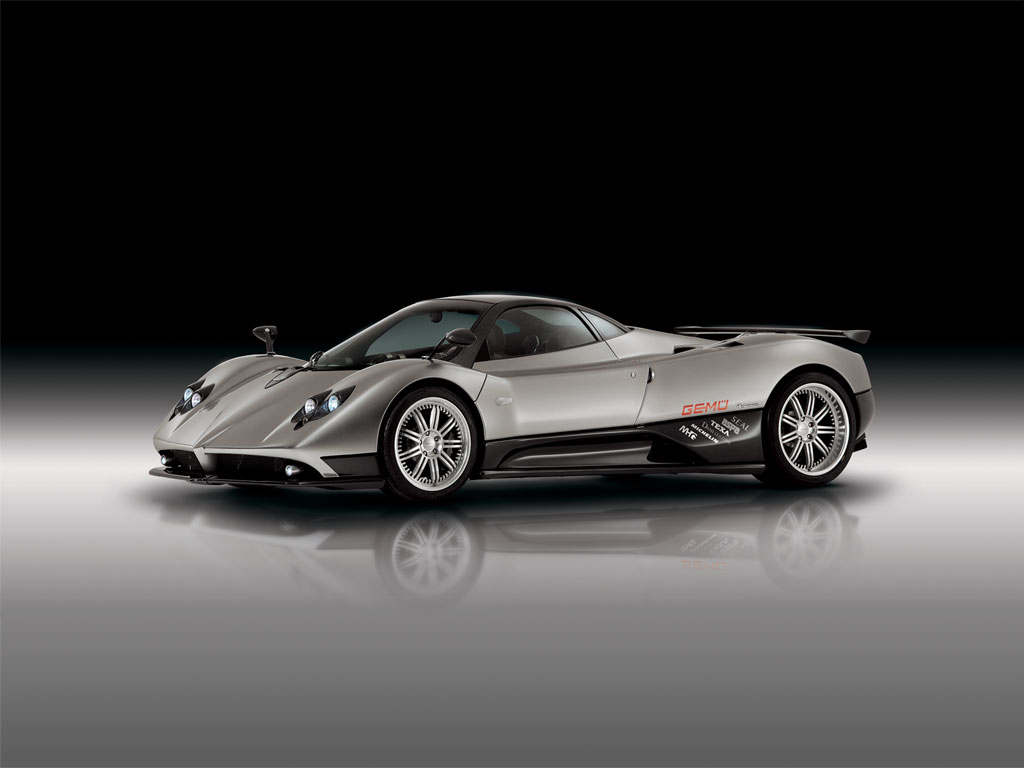
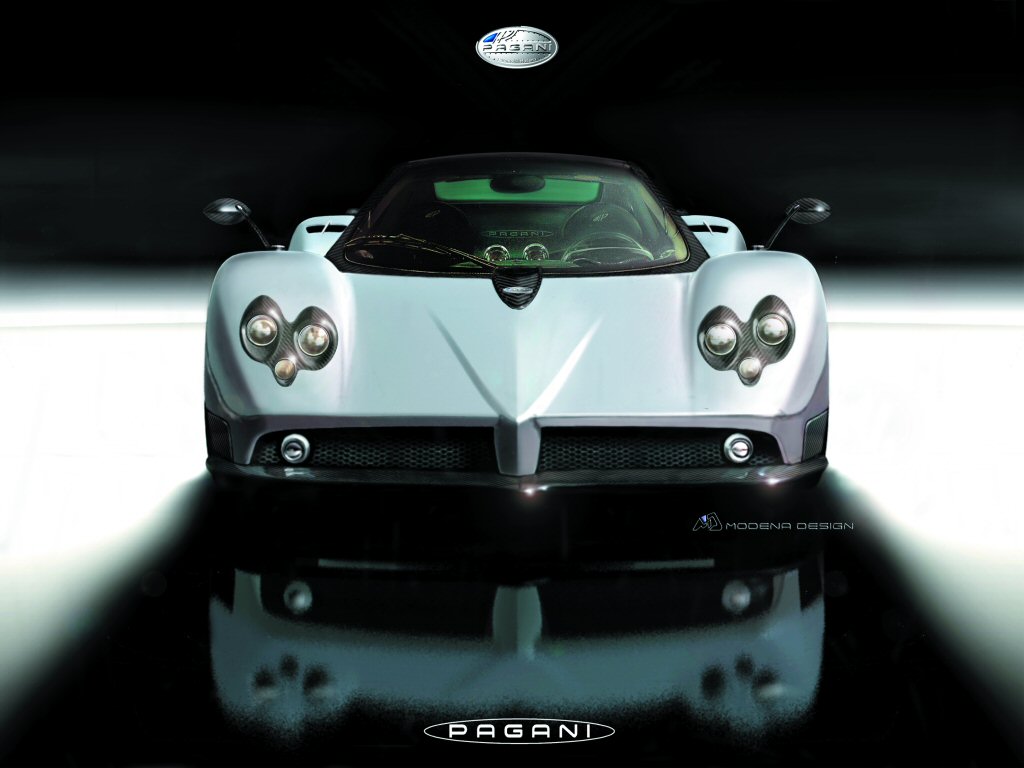
Pagani Zonda F

First appeared at Geneva at a Auto Show in 2005, the all carbon fiber super car can reach 60 mph (100 km/h) in just 3.5 seconds. With power of 443 kW/594 hp, and a top speed that passes 215 mph (346 km/h), Zonda F makes Pagani manufacturer to be at the level of another independent of famous super cars manufactures like Porsche, Lamborghini or Ferrari.
Pagani Zonda F

A car made by combining the sensibility of Juan Manuel Fangio, a F1 world champion 5 time in a row, about all that is related with technicality and the advance technology of Pagani, has a lot to offer, from the power to weight ratio of 384 W/kg, the six-speed manual transmission, the aerodynamic vents all around, not at least the carbon/ceramic brakes that allows the Zonda F to be on the top list of the cars with spectacular braking from 180 mph to 0 mph.

Pagani Zonda F
The V12 engine is a lot cooler because of the design of the car, larger in front, 7.3 liter Mercedes-Benz engine can reach now 620 bhp and gives almost 561 pound-feet of torque peaking at 4000 rpm. It has a length of 174.6 inch, a width of 80.9 inch and a height just about 44.9 inch.
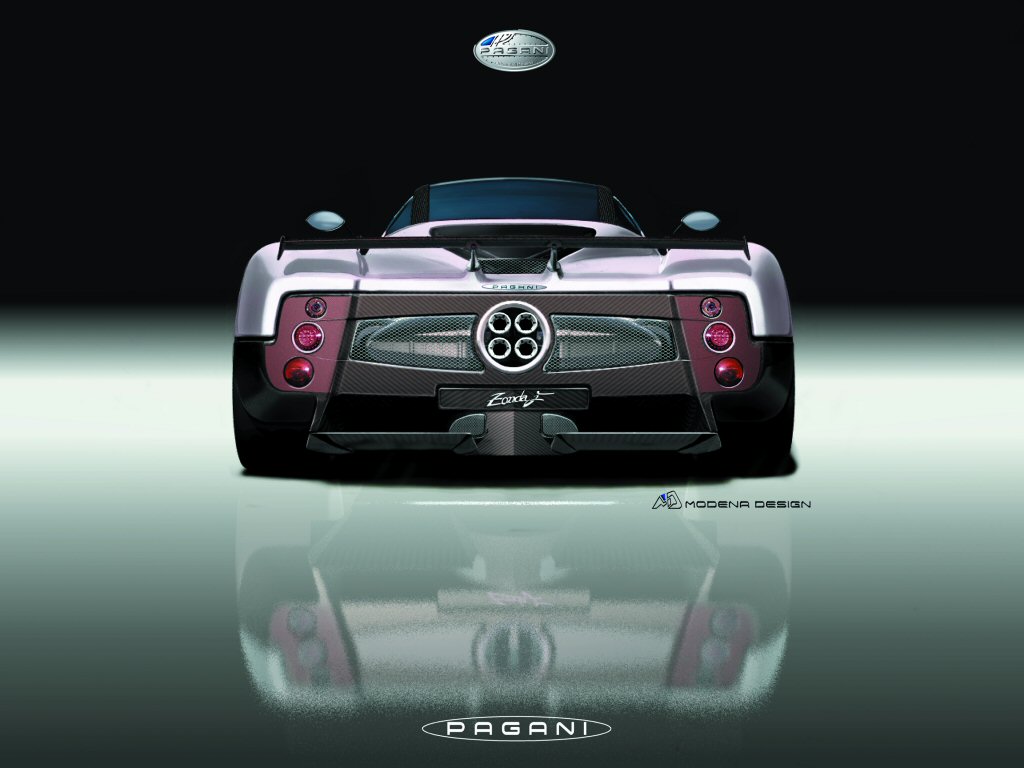
Pagani Zonda F back view

Even if it's said to be a priceless super car, it will be on the market in 2008 at a base price of $667,321.

Pagani Zonda F vs Bugatti Veyron drag race - Top Gear


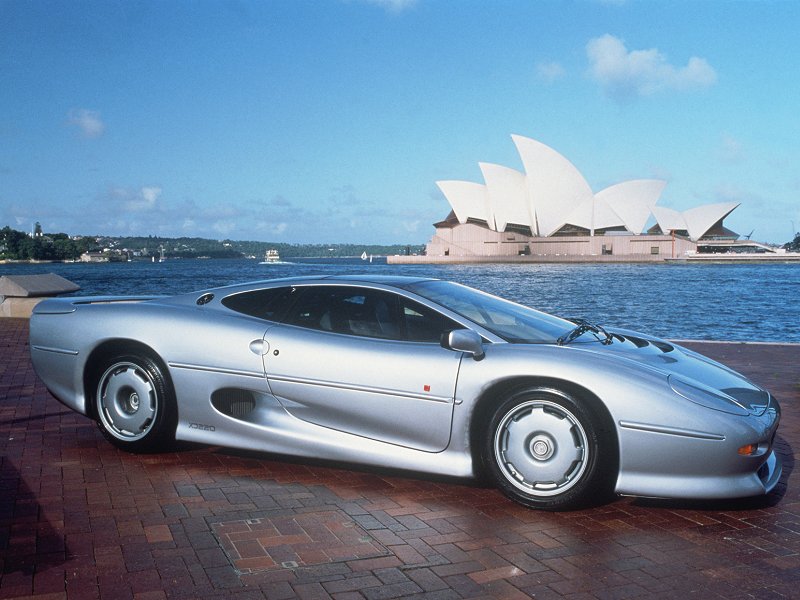
Jaguar XJ220


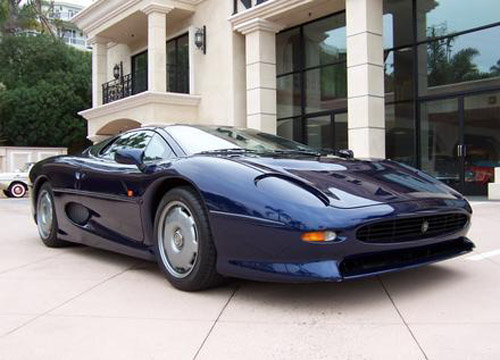
The Jaguar Xj220 is one of the forgotten super cars and it was produced in 1992 by Jaguar. This super car was the fastest car at that time. The vehicle features a 3.5 L V6 twin-turbo engine, which generates 542 horsepower at 7200 rpm. It has a 6-speed manual transmission, reaching 60 mph in 3.8 seconds and a top speed of 217 mph, an amazing speed for 1992. A total of 281 Jaguar XJ220 were produced and the original price was around $650,000. As of 2009, this car is worth around $150,000.

Jaguar XJ220


Jaguar XJ220 blue

Specifications

Vehicle Type: - 2-door coupe, production car
Price: - $650,000
Configuration: - Mid Engine / RWD
Engine: - Twin-Turbo V6
Capacity: - 3494 cc
Torque: - 475 lb-ft at 4500 rpm
Horsepower: - 542 bhp at 7200 rpm
Transmission: - 5-Speed Manual
Weight: - 3241 lbs
0-60 mph: - 3.8 sec
Top speed: - 217 mph


Jeremy Clarkson - Jaguar XJ220

Ferrari Enzo


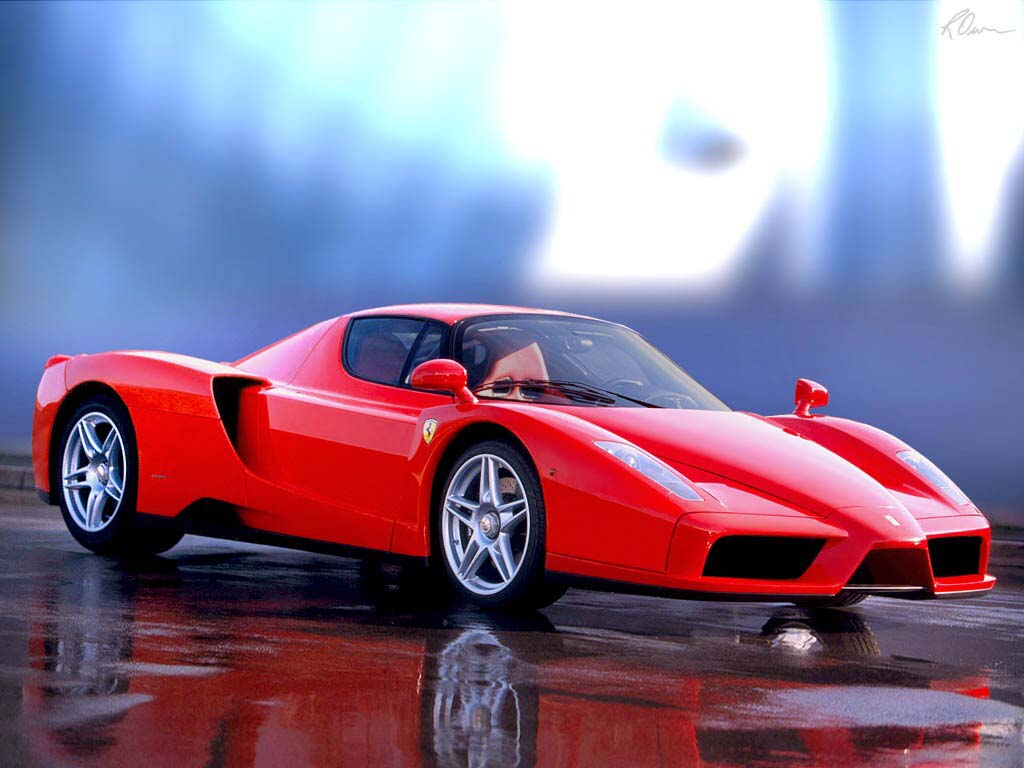
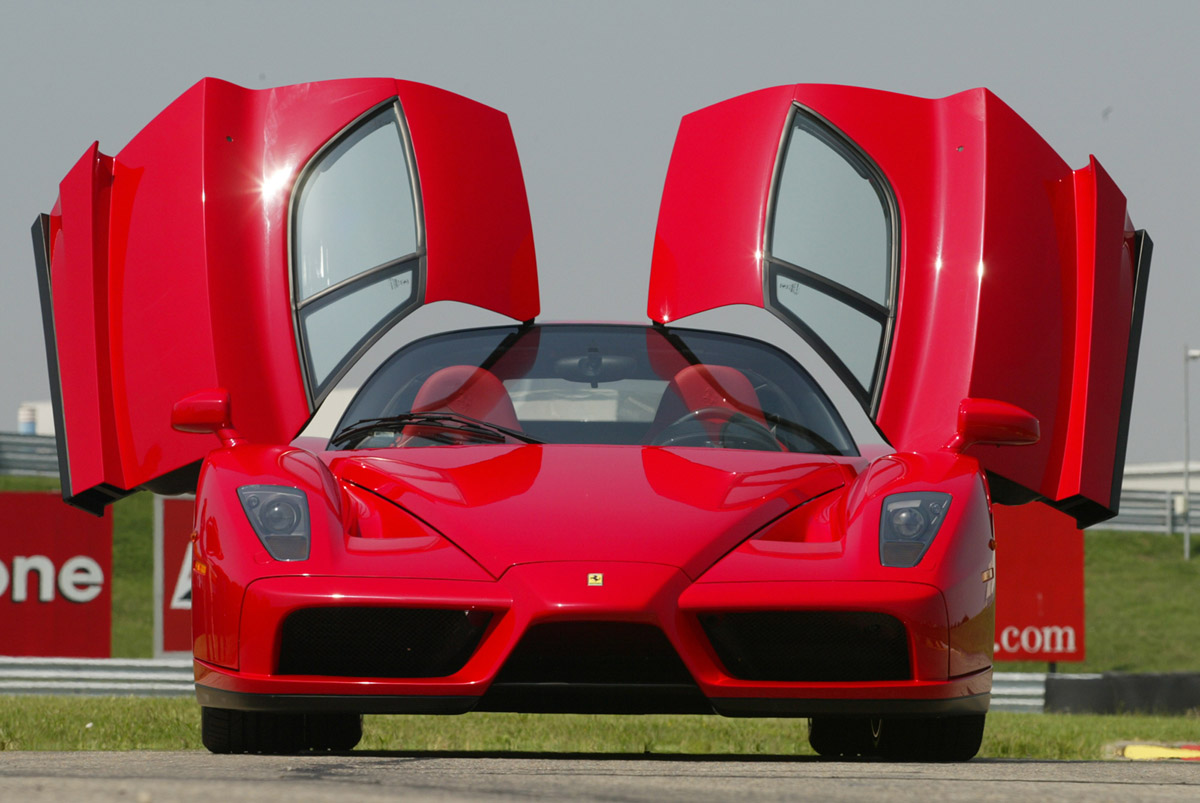
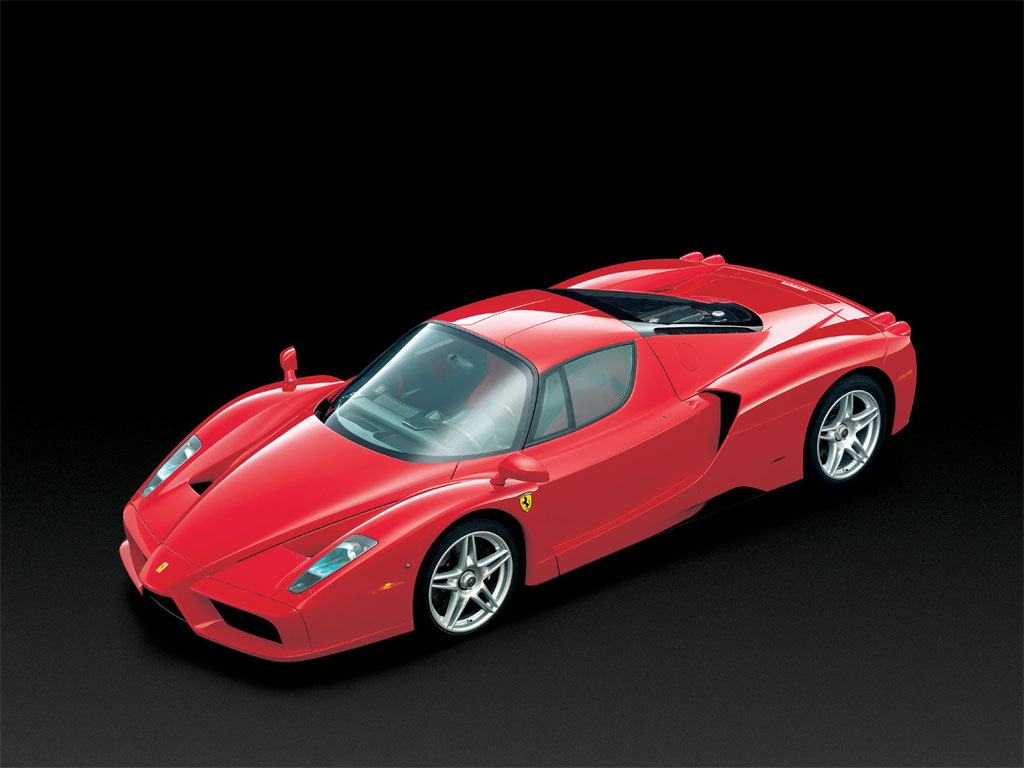
The Ferrari Enzo, named after the Ferrari's owner, is a high performance sports car which is well noted for its styling features. Initially, the Ferrari Enzo cost $670,000 and only 399 units were ever produced, but due to its high demand and limited supply, the price of the Ferari Enzo increased every time someone crashes and it is currently estimated at over $1,000,000.

Ferrari Enzo


The Ferrarri Enzo features a V12 engine with four valves per cylinder. The engine displacement is about 4700 cc and it delivers an output power of 660 bhp and 485 lb-ft torque. The Ferrari Enzo reaches the speed of 60 mph in 3.4 seconds and the top speed is about 217 mph. The Ferrari Enzo features 6-speed Semi-Automatic transmission and the gear shifts can be performed easily and smoothly even at higher loads.


Ferrari Enzo doors open front view


Ferrari Enzo front view

Specifications

Vehicle Type: - production car, two doors coupe
Configuration: - Mid Engine
Engine: - V12
Capacity: - 5988 cc
Torque: - 485 lb-ft
Horsepower: - 660 bhp
Transmission: - 6-speed Semi-Automatic
Wheelbase: - 104.3 inches
Length: - 185.1 inches
Width: - 80.1 inches
Height: - 45.2 inches
Weight: - 3020 lbs
0-60 mph: - 3.4 sec
Top speed: - 217 mph


Ferrari Enzo in Action - Ride Rev Accelerations Drifts Burnout


Ferrari Enzo in Action - Ride Rev Accelerations Drifts Burnout

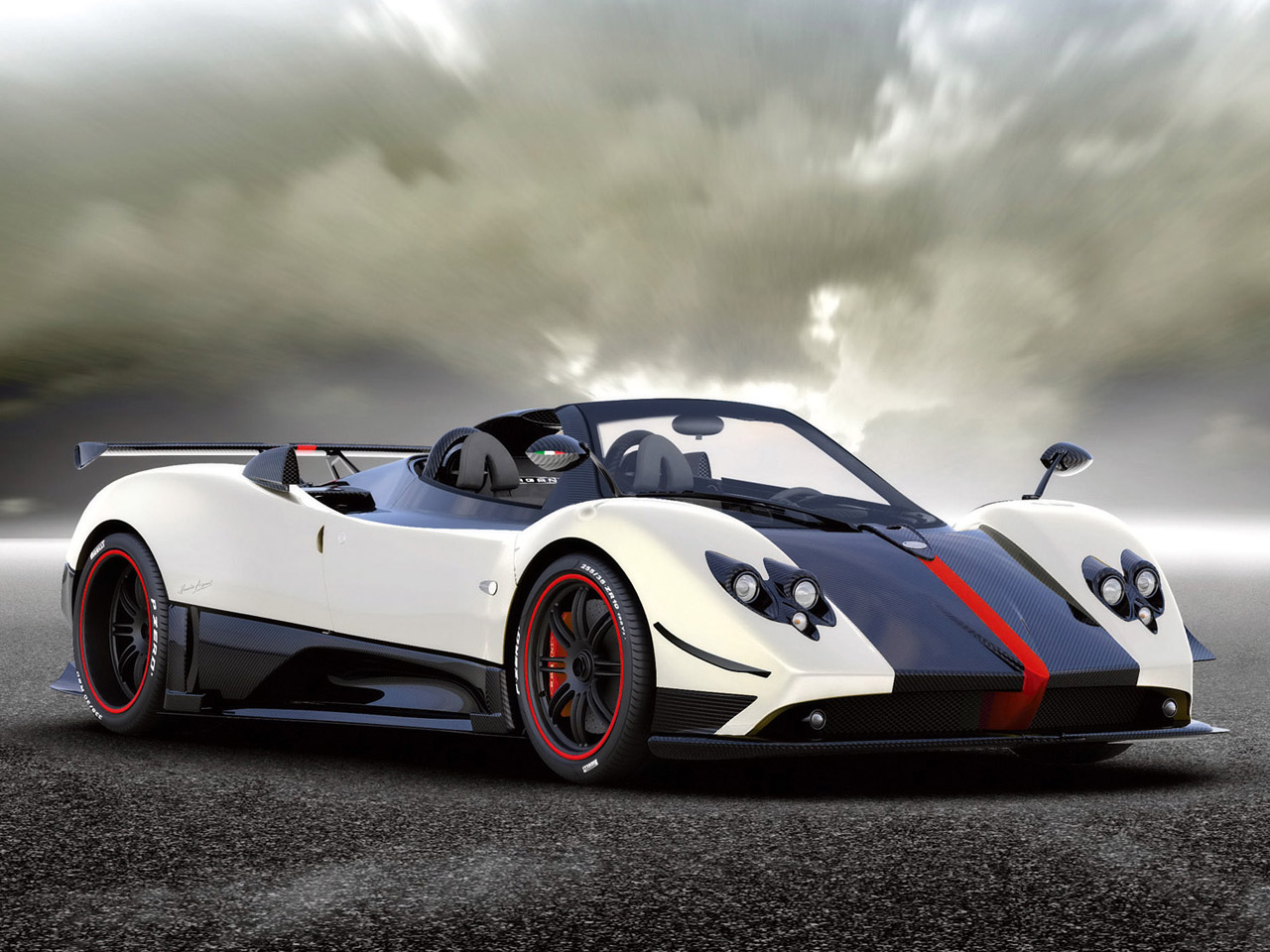
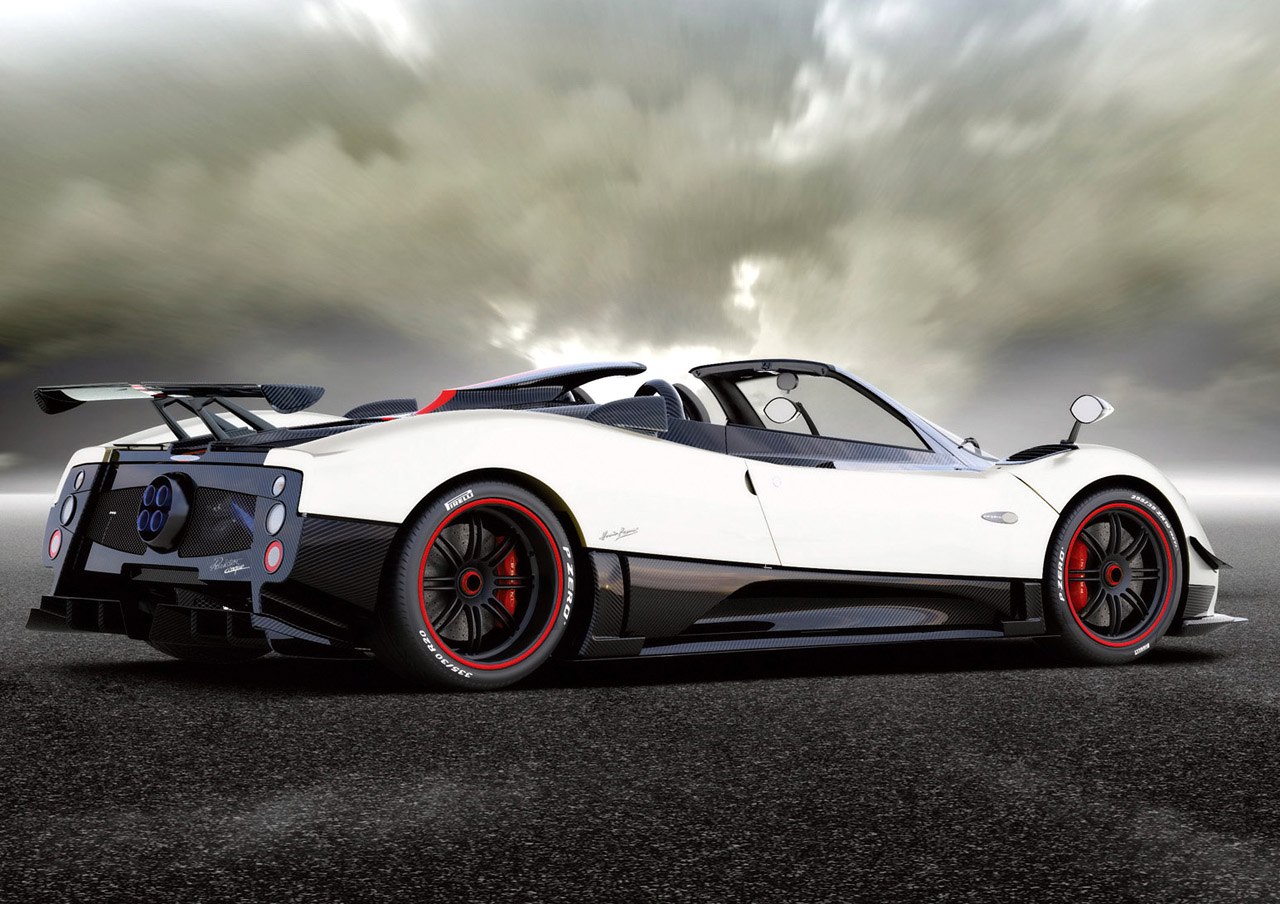
2009 Pagani Zonda Cinque Roadster


The 2009 Pagani Zonda Cinque Roadster is an exclusive offering from Pagani as the car manufacturer has limited the production of the roadster version of the Zonda Cinque coupé to just five units. Just like the Zonda Cinque, the Roadster was produced with weight reduction measures in mind to improve its overall performance, driving experience, and emission. Because the 2009 Pagani Zonda Cinque Roadster has no roof, its carbon-titanium chassis has been redesigned to make up for the missing roof.
2009 Pagani Zonda Cinque Roadster


The 2009 Pagani Zonda Cinque Roadster, a 2-door convertible production car, features a Mercedes-Benz AMG mid-engine (with rear-wheel drive) that boasts of a horsepower of 678 bhp and torque of 780 Nm. With it powerful engine, it can reach 60 mph within 3.3 seconds. The folks at Pagani have designed the car with ECU, ABS, and traction control by Bosch Engineering. The roadster has a 6-speed sequential transmission, a ceramic-coated Inconel/titanium exhaust system, magnesium and titanium suspensions, and APP monolithic wheels fashioned from aluminum and magnesium. The 2009 Pagani Zonda Cinque Roadster’s interior features Pagani leather/carbon-fiber racing seats.
2009 Pagani Zonda Cinque Roadster side view


Pagani Zonda Cinque Roadster in Puerto Banus


Pagani cinque roadster


With the assistance of growing technology and improving resources, people that cannot give their car for his or her entire day can take the assistance of a touchless car wash where their car gets cleaned quickly, and that they don't need to await getting their car back.


2011 Noble M600


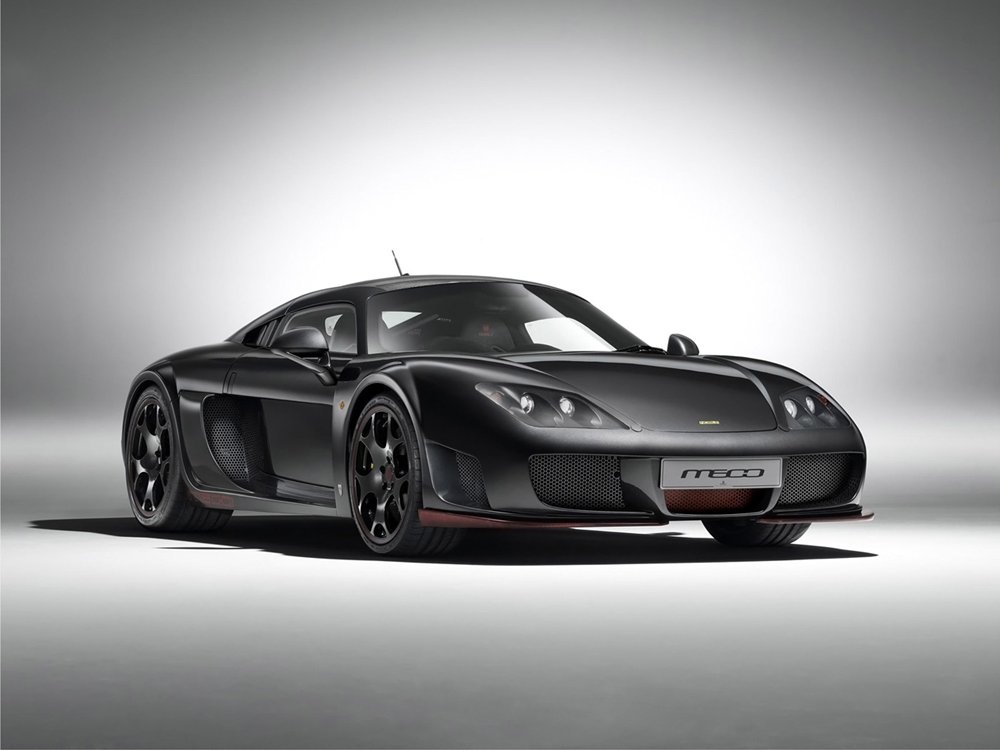
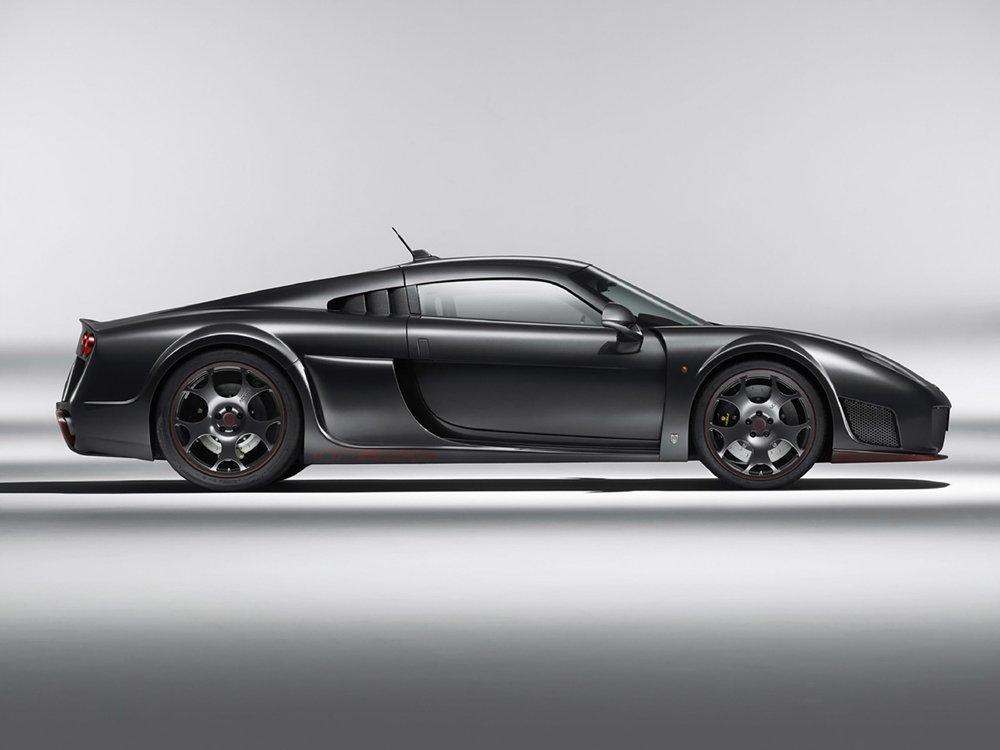
On the recent Autosport International Racing Car Show, with their first carbon bodied production, Noble M600, was completed and shown with great critical acclaim. The Noble M600 is powered by a twin-turbo 4.4-liter Yamaha V8 engine with an output of 650 hp at 6800 rpm and 640 lb-ft of torque at 3800 rpm. It has a mid, longitudinal engine, rear-wheel-drive architecture and is equipped with a Graziano 6-speed manual


The Noble M600 measures 4360 mm in length, has a 2540 mm wheelbase and a 1578 mm wide track with a total weight of 1250 kg. It also has a power-to-weight ratio of 520 hp per tonne. The Noble M600 has an officially rated top speed of 225 mph and a 0-120 mph acceleration time of 8.9 seconds. It is built on a tubular space frame chassis with stainless steel tubes and a carbon fiber composite body. It promises good handling and control because of the power assisted rack and pinion steering wheel. The Noble M600 uses Alcon brakes with 380 mm discs and six piston calipers in the front and 350 mm discs and four piston calipers in the rear.

The supercar’s appearance maintains a slender and contoured shape that doesn’t scream for attention every time you look at it. It’s not that Noble copied design from other supercars, but on first glance, the M600 do have a few similarities. It’s just evidence that Noble used their competitors as an inspiration in developing a supercar.


Noble M600 - Top Marques 2011


red Noble M600 - Top Marques 2011

Twitter Delicious Facebook Digg Stumbleupon Favorites More

 
Design by Free WordPress Themes | Bloggerized by Lasantha - Premium Blogger Themes | Powerade Coupons